
The journal
Charts, numbers and the mind
Essays on Vedic astrology, numerology and counselling psychology by Kushal Agarwal — chart as architecture, not prophecy.
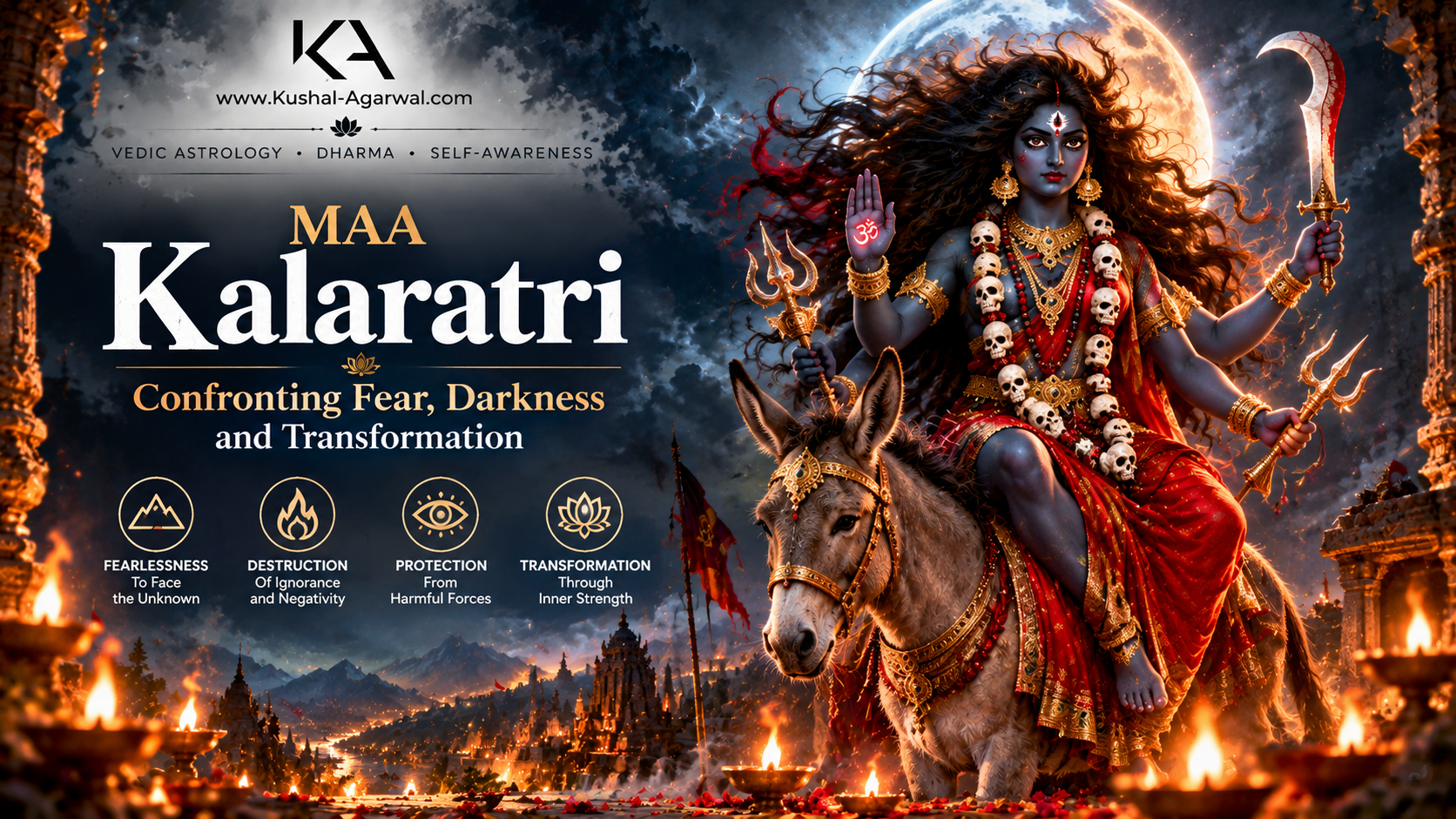
Maa Kalaratri: Confronting Fear, Darkness and Transformation
Maa Kalaratri is the fierce yet auspicious seventh form of Navadurga. Her dark appearance represents the power to confront fear, ignorance and destructive forces. Beneath her formidable image lies a profound spiritual lesson: transformation begins when we stop running from what must be faced.
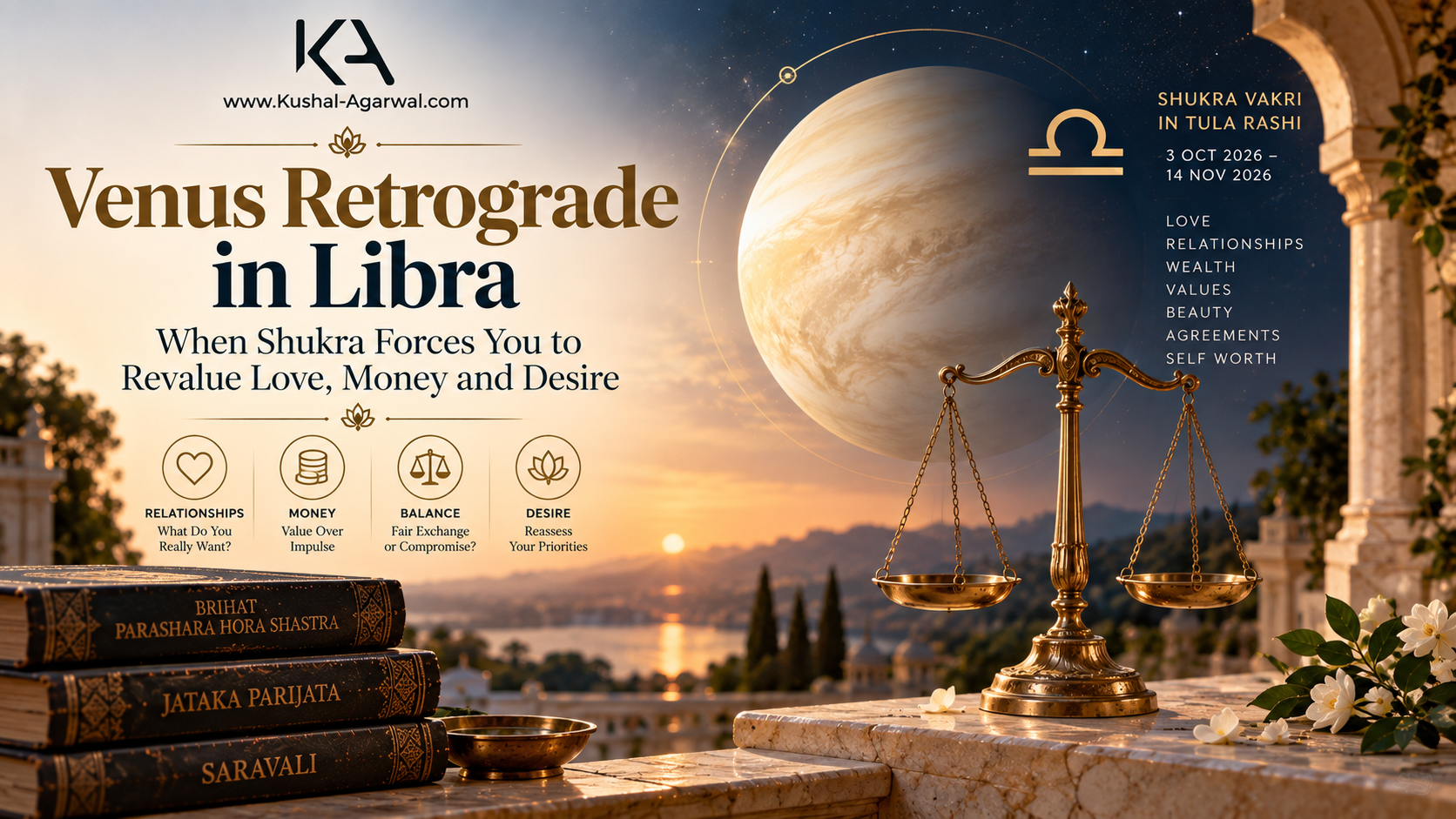
Venus Retrograde in Libra: When Shukra Forces You to Revalue Love, Money and Desire
Venus has turned retrograde in Libra. But Shukra Vakri in its own sign is not simply a relationship warning. It is a period of reassessing what we value, what we desire, what we are willing to compromise for, and whether our relationships and financial choices still reflect who we are becoming.
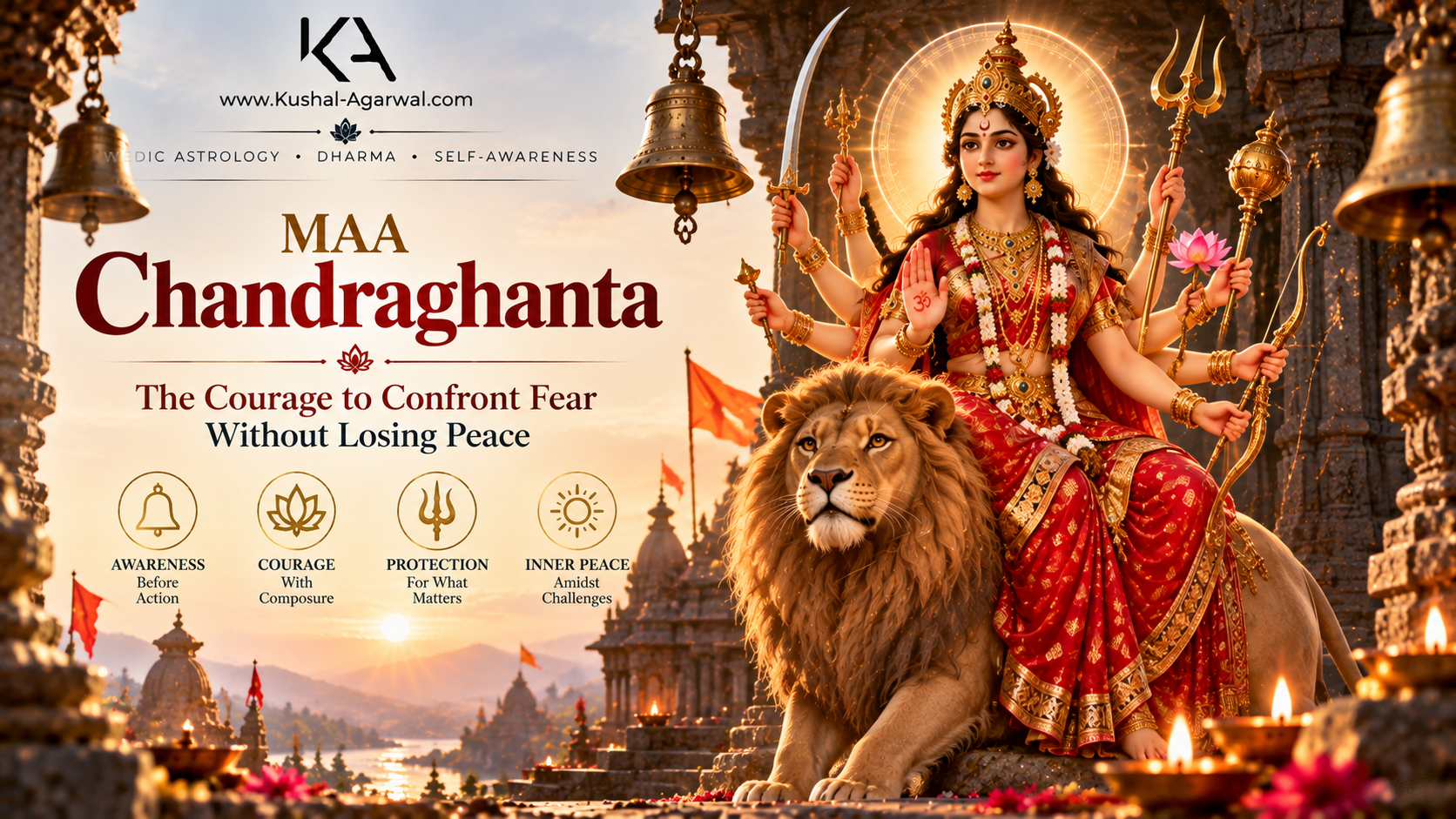
Maa Chandraghanta: The Courage to Confront Fear Without Losing Peace
Maa Chandraghanta embodies the fierce yet composed power of the Divine Mother. Her bell-shaped crescent, lion and weapons symbolise vigilance, protection and readiness. Discover how her traditional iconography offers a deeper understanding of courage, self-mastery and dharma.
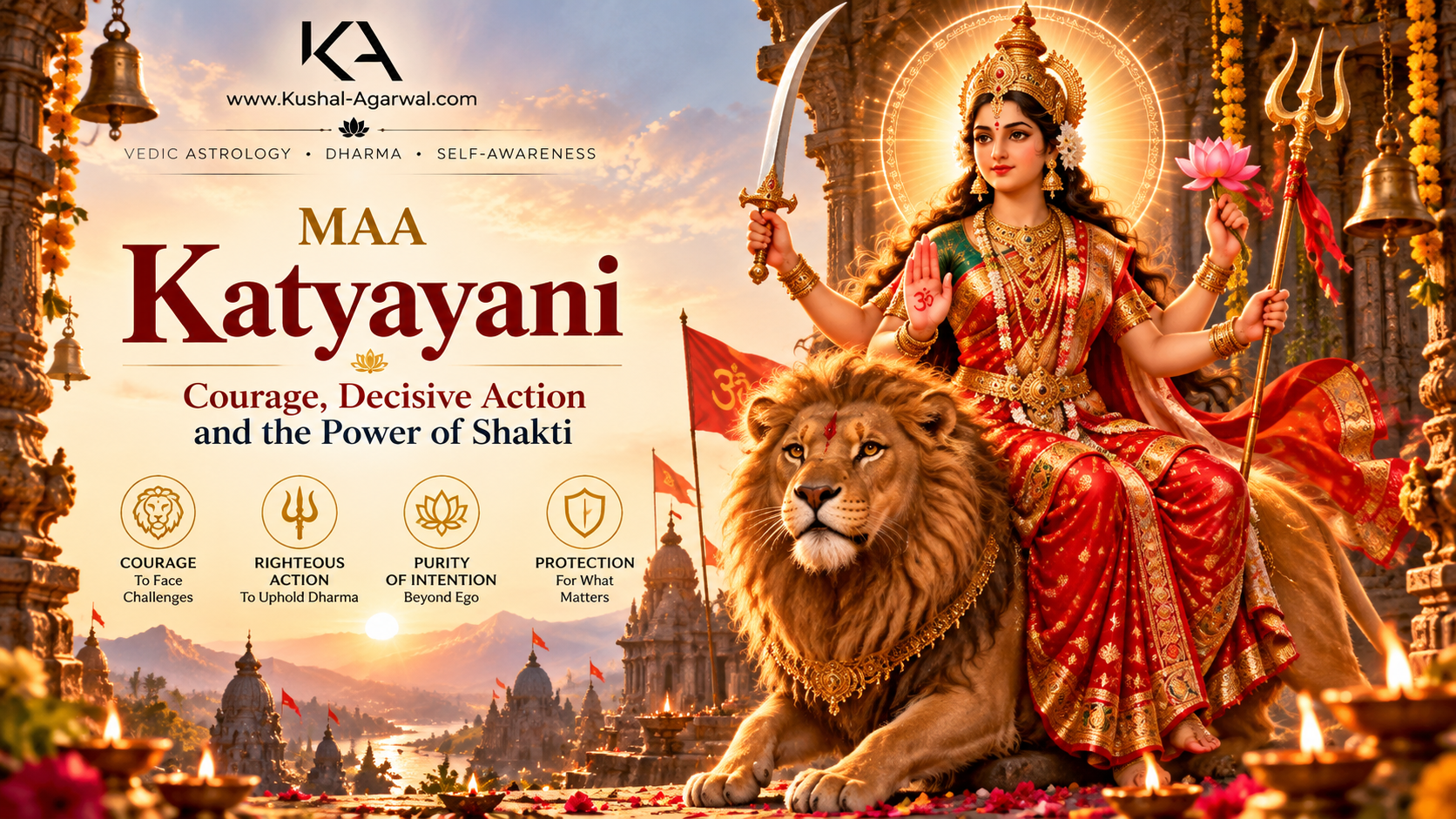
Maa Katyayani: Courage, Decisive Action and the Power of Shakti
Maa Katyayani represents the fierce, decisive expression of Shakti—the power to confront injustice and restore balance. Her traditional story offers a profound lesson: courage becomes meaningful when it is guided by discernment and directed towards a purpose greater than personal ambition.
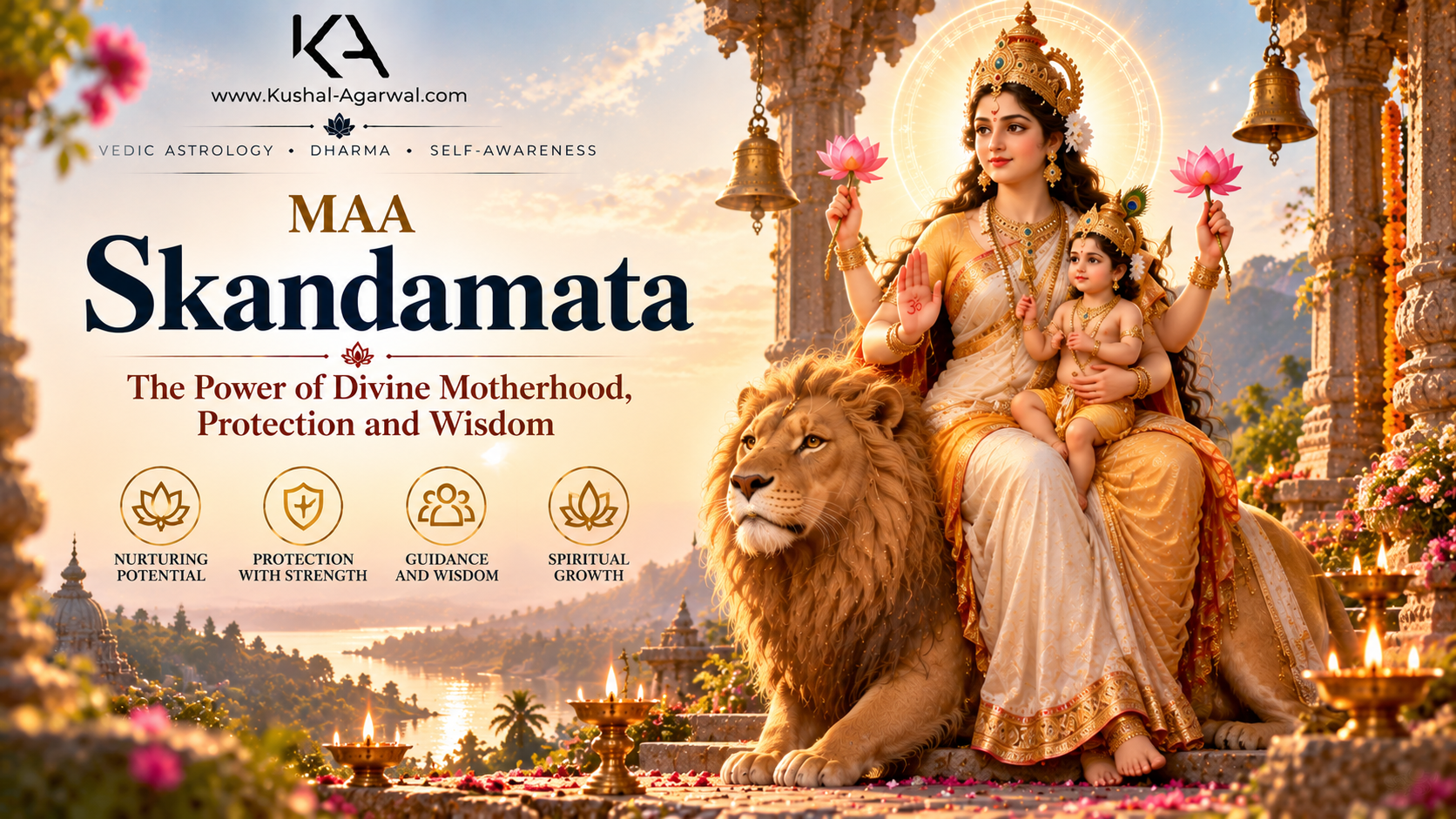
Maa Skandamata: The Power of Divine Motherhood, Protection and Wisdom
Maa Skandamata represents the powerful union of maternal compassion and divine strength. The fifth form of Navadurga, she reminds us that nurturing others is not a sign of weakness—it is a sacred responsibility that requires courage, wisdom and inner stability.
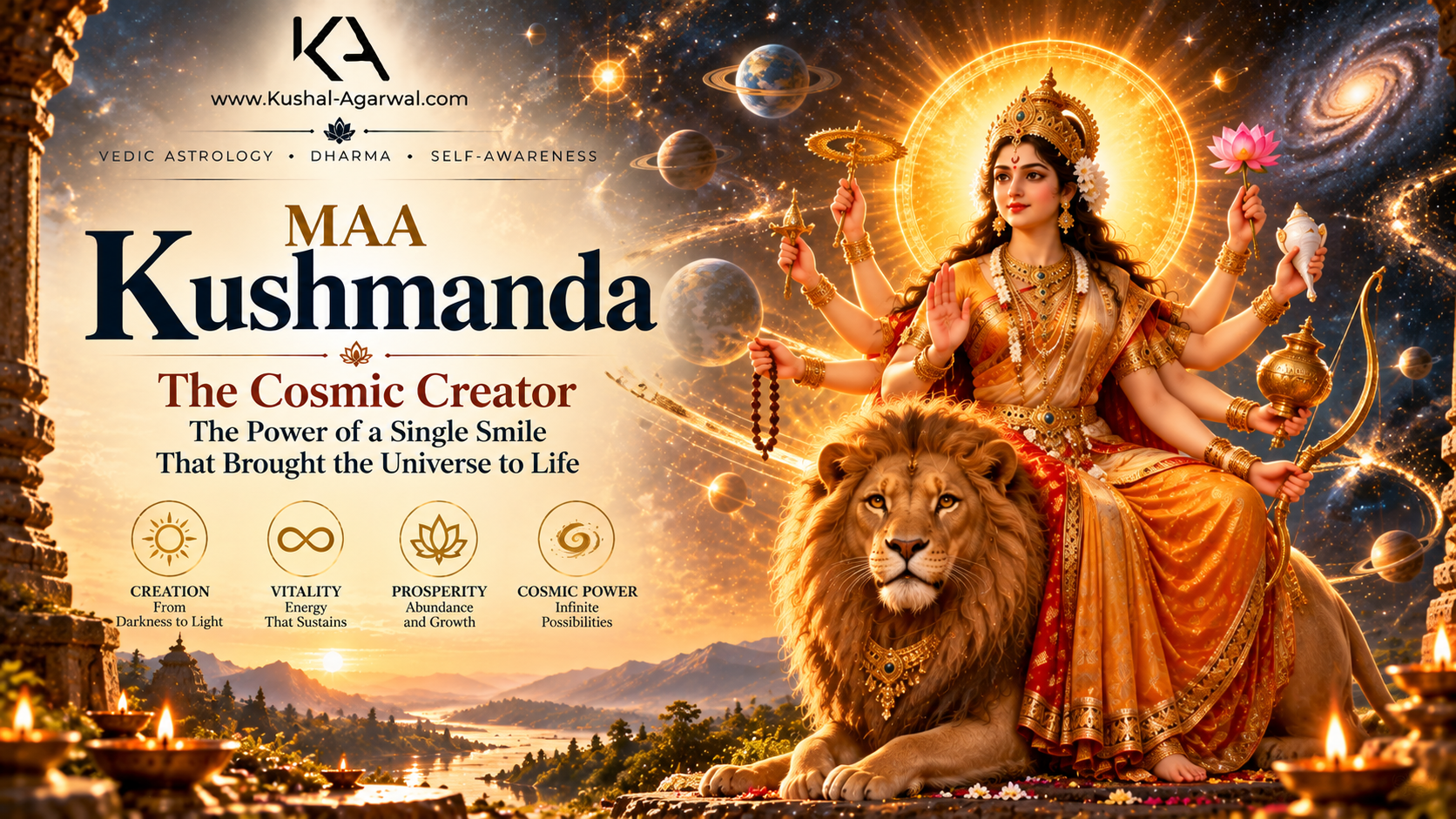
Maa Kushmanda: The Cosmic Creator and the Power of a Single Smile
Maa Kushmanda is revered as the radiant form of Shakti whose smile is traditionally associated with the creation of the universe. Discover the story, iconography and deeper symbolism of the fourth Navadurga—and what her cosmic creativity teaches us about bringing something meaningful into existence.
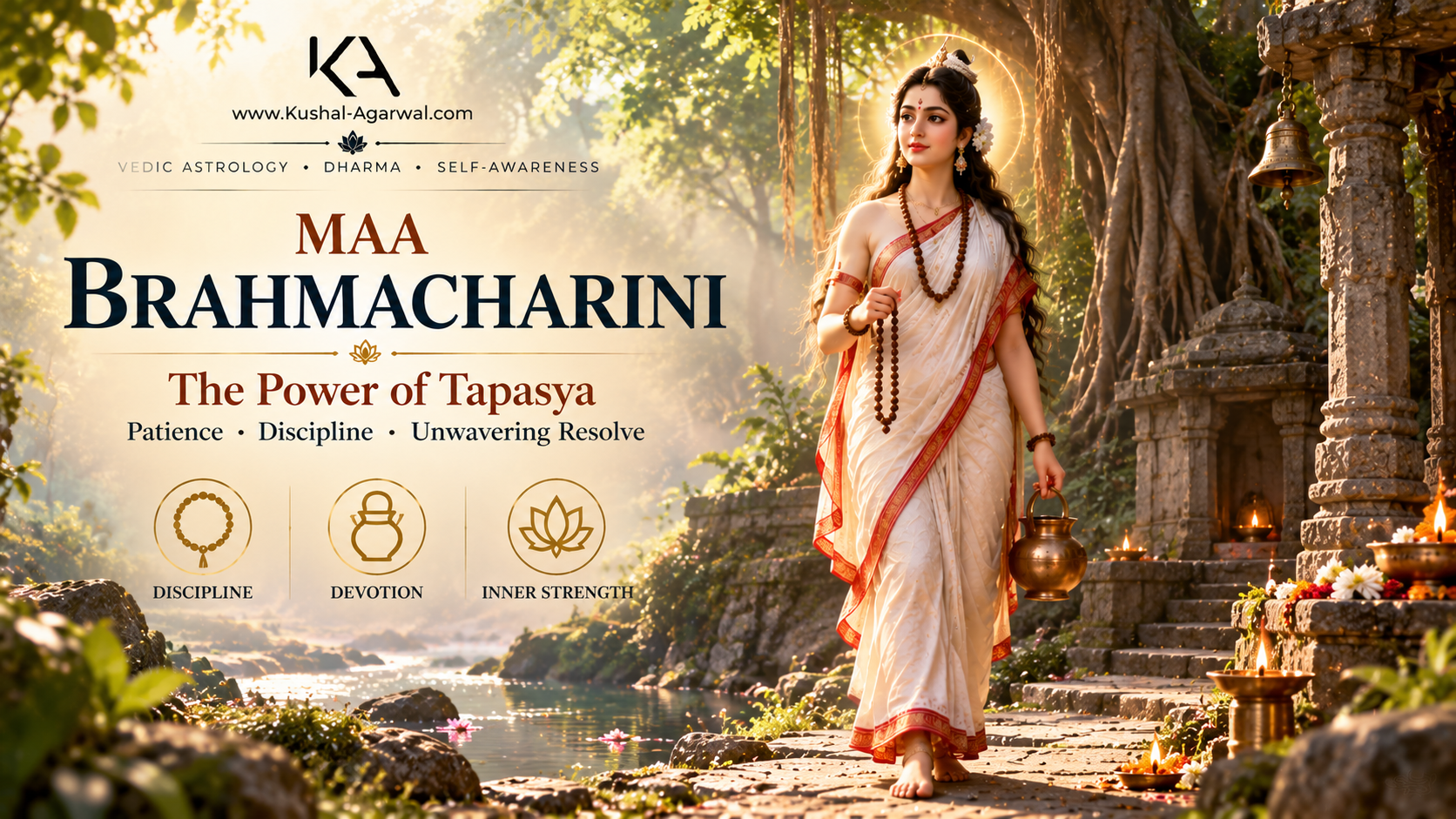
Maa Brahmacharini: The Power of Tapasya, Patience and Unwavering Resolve
Maa Brahmacharini represents the discipline required to turn intention into achievement. Through the story of Parvati's tapasya, her rosary and kamandalu, discover why patience, self-restraint and unwavering commitment remain essential to spiritual growth.
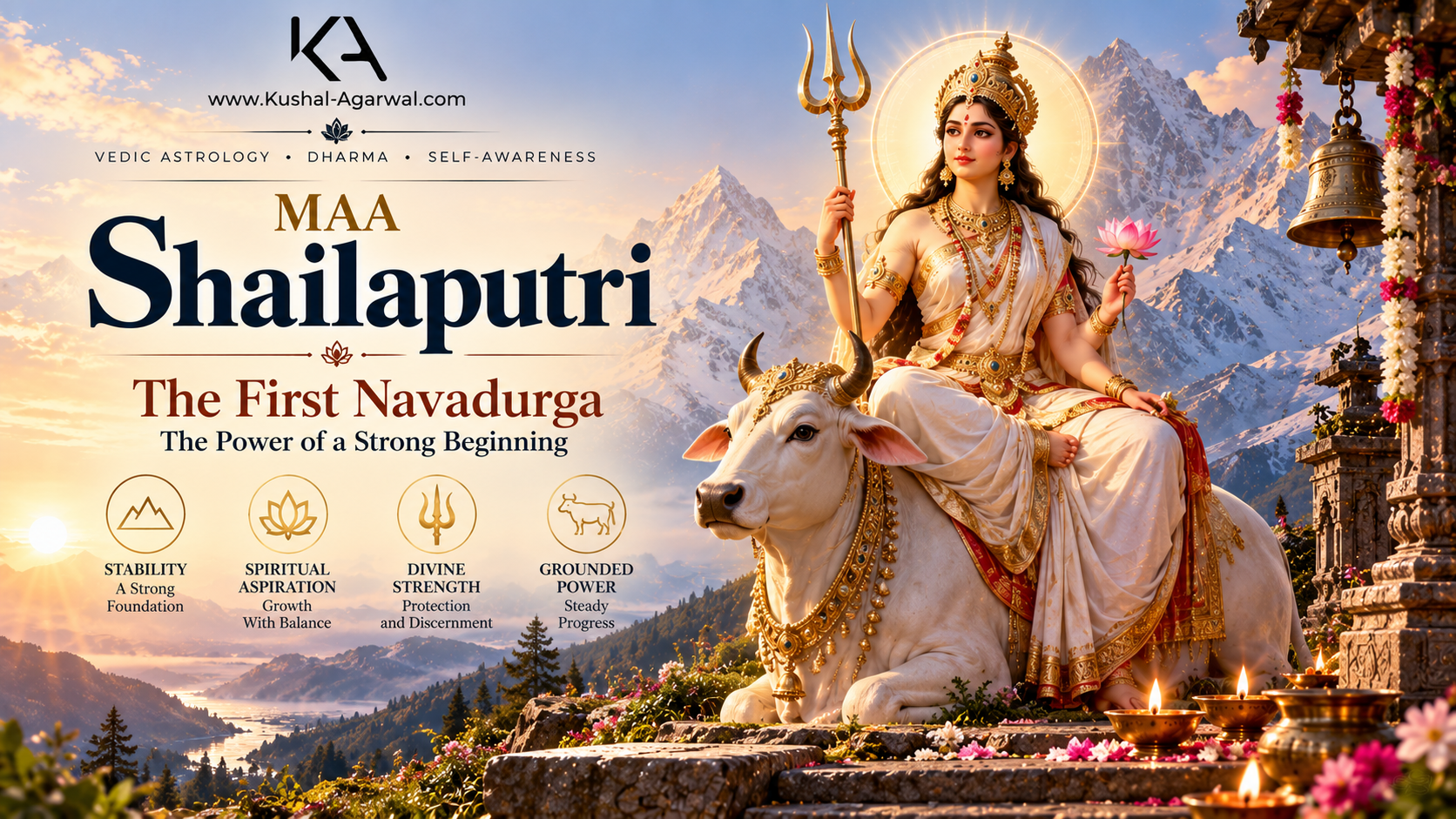
Maa Shailaputri: The First Navadurga and the Power of a Strong Beginning
Every journey begins with a foundation. Maa Shailaputri, the first form of Navadurga, represents the grounded power of Shakti. Discover the story of the daughter of the Himalayas and the deeper meaning of her bull, trident and lotus.
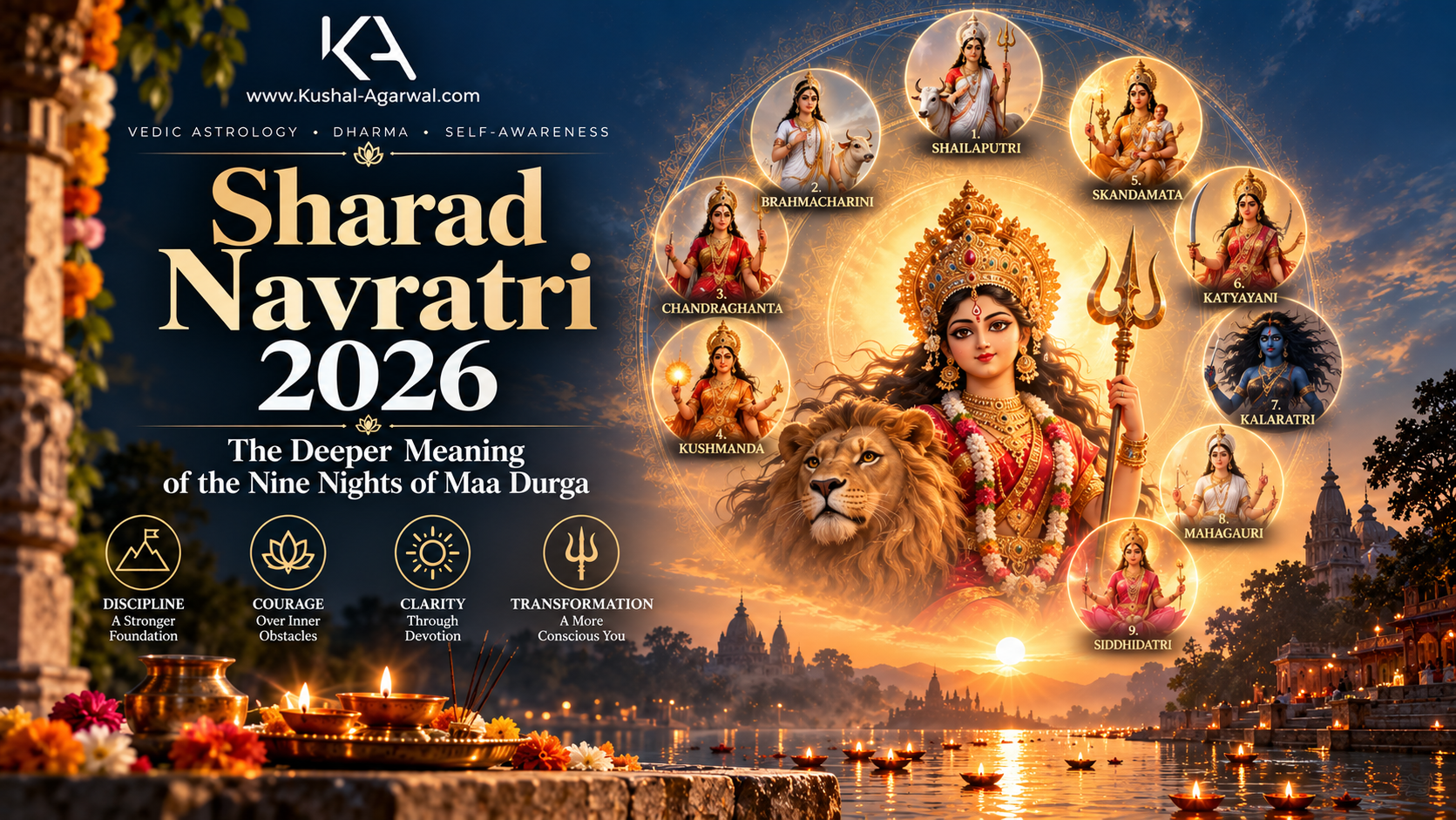
Sharad Navratri 2026: The Deeper Meaning of the Nine Nights of Maa Durga
Sharad Navratri is more than nine days of fasting, colours and rituals. Explore the symbolism of the Navadurga, the spiritual progression of the nine nights, and how the victory of Maa Durga offers a framework for understanding inner transformation.
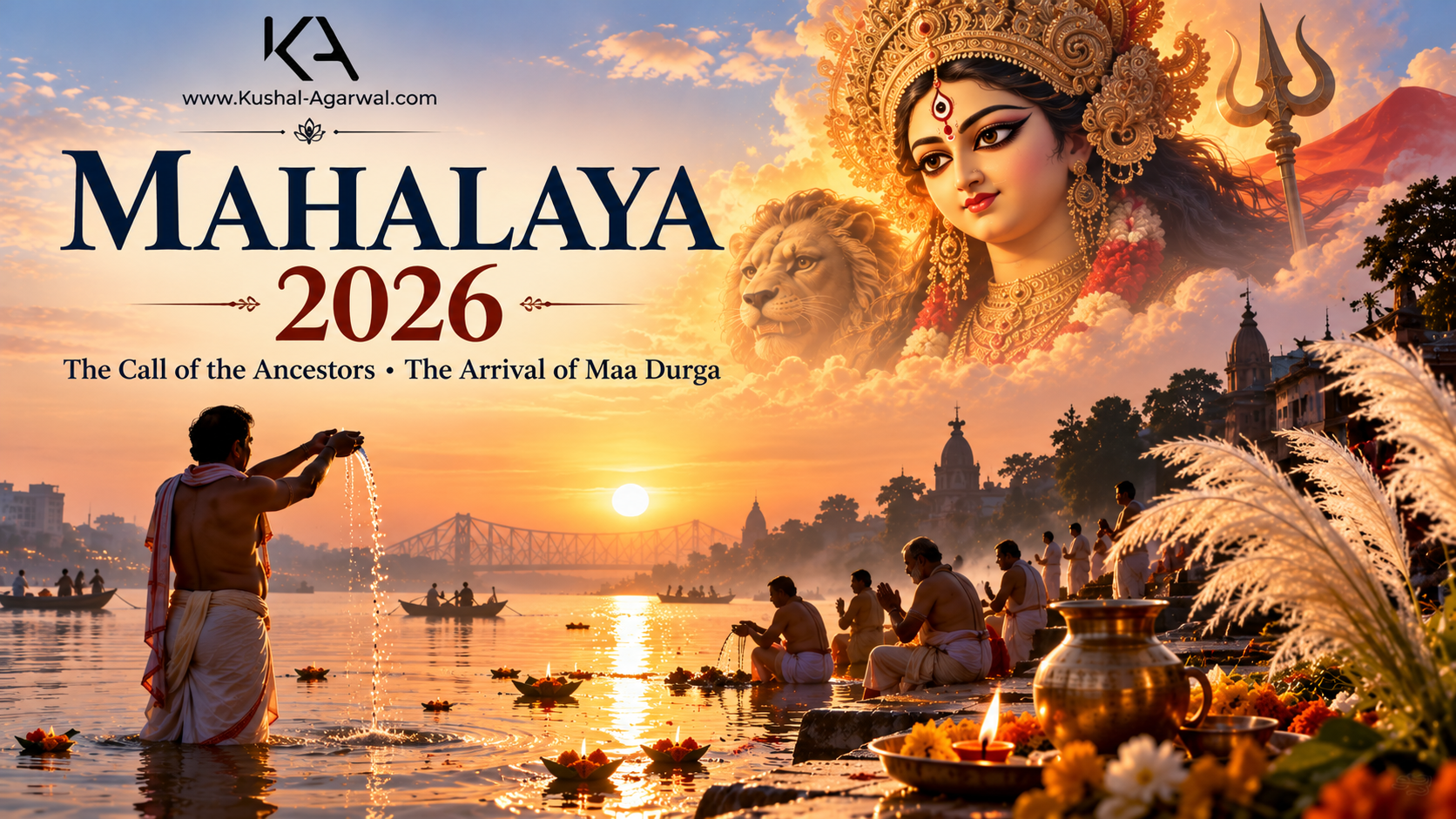
Mahalaya 2026: The Call of the Ancestors and the Arrival of Maa Durga
For Bengalis, Mahalaya is more than a date on the calendar. It is the dawn when ancestral remembrance meets the anticipation of Maa Durga's arrival. Discover the traditions, symbolism and spiritual meaning of this sacred transition.

Saturn Retrograde in Pisces: The Karmic Audit Has Begun
Saturn retrograde is not simply about delay. In Pisces, Shani turns the focus inward, forcing us to examine unfinished responsibilities, weak boundaries and structures that cannot survive as they are.

Saturn and Karma in Vedic Astrology: Why Shani Makes You Face What You Have Built
Saturn is often called the planet of karma, but that does not mean Shani exists to punish us. In Jyotish, Saturn represents time, responsibility, consequence and the structures we build through repeated action.
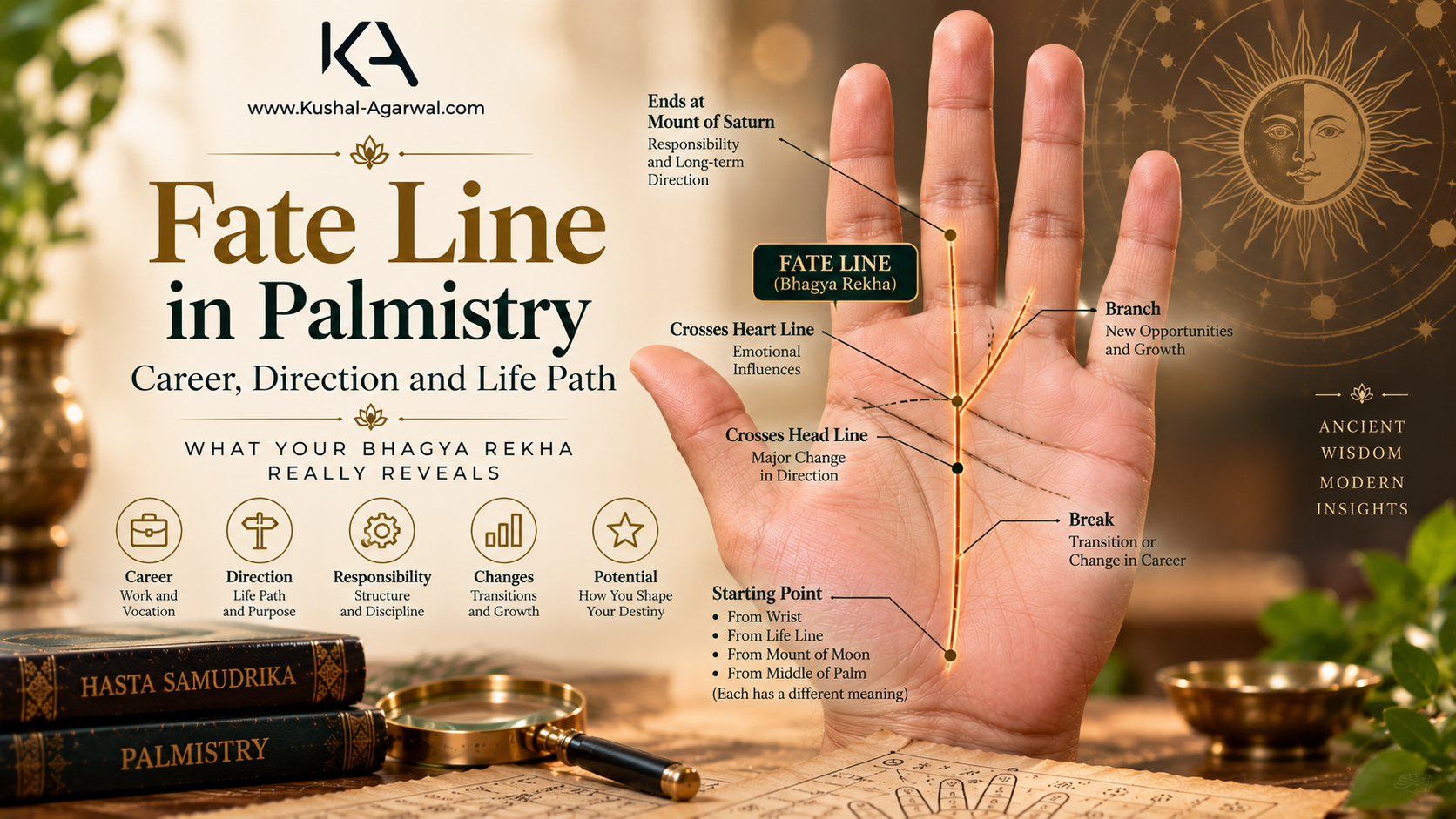
Fate Line in Palmistry: Career, Direction and Life Path
The Fate Line, also called the Bhagya Rekha or Saturn Line, is one of the most misunderstood lines in palmistry. Learn what its starting point, strength, breaks and branches traditionally reveal about career, responsibility and life direction.
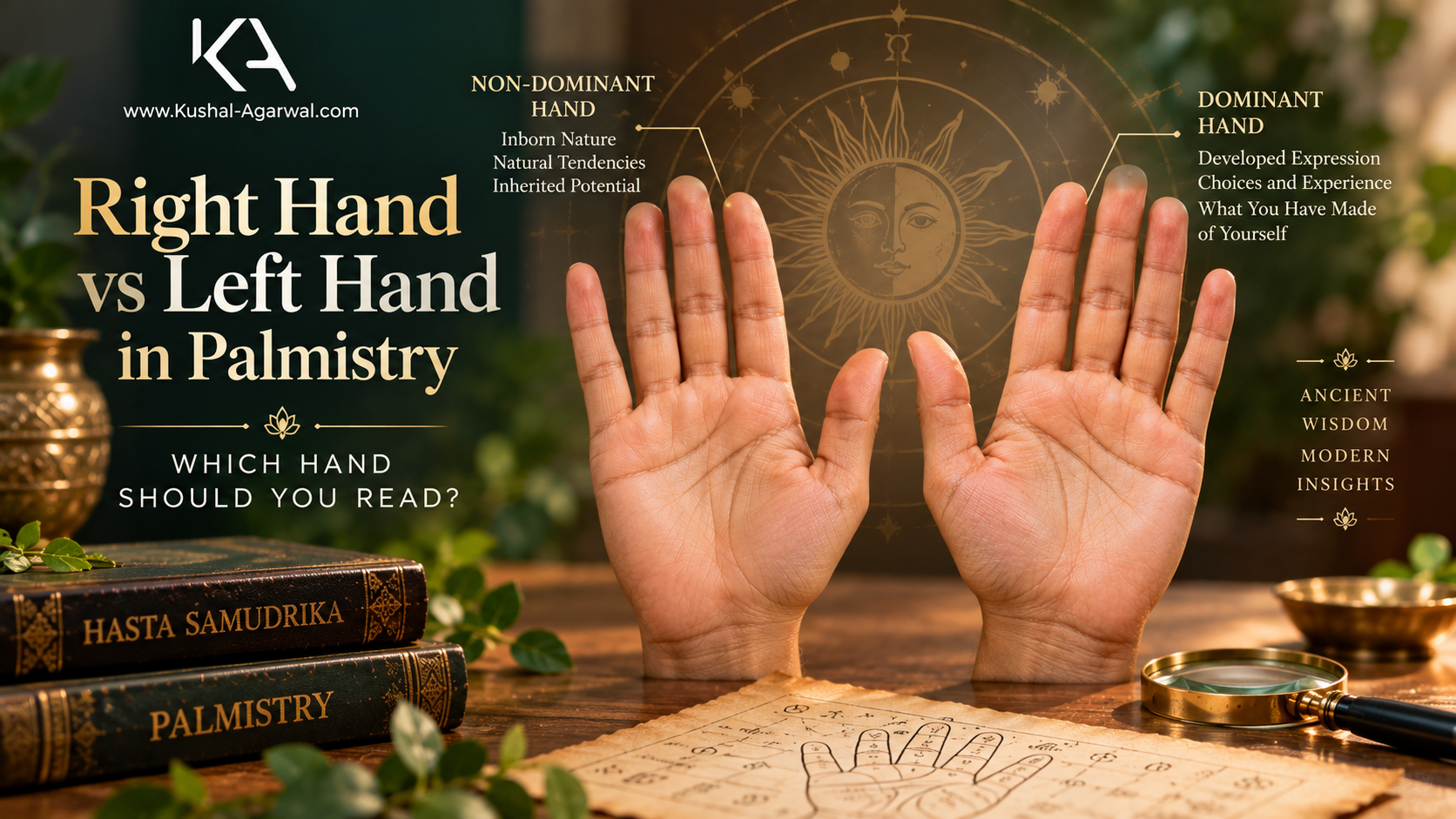
Right Hand vs Left Hand in Palmistry: Which Hand Should You Read?
Should you read the right hand or the left hand in palmistry? The answer depends on the tradition, but a practical modern approach is to read both hands and study the difference between them.

The Thumb in Palmistry: Willpower, Logic and the Power to Decide
The thumb is one of the most important features in palmistry because it represents the way a person decides, acts and exercises will. Learn how its length, flexibility, angle and two phalanges are traditionally interpreted.
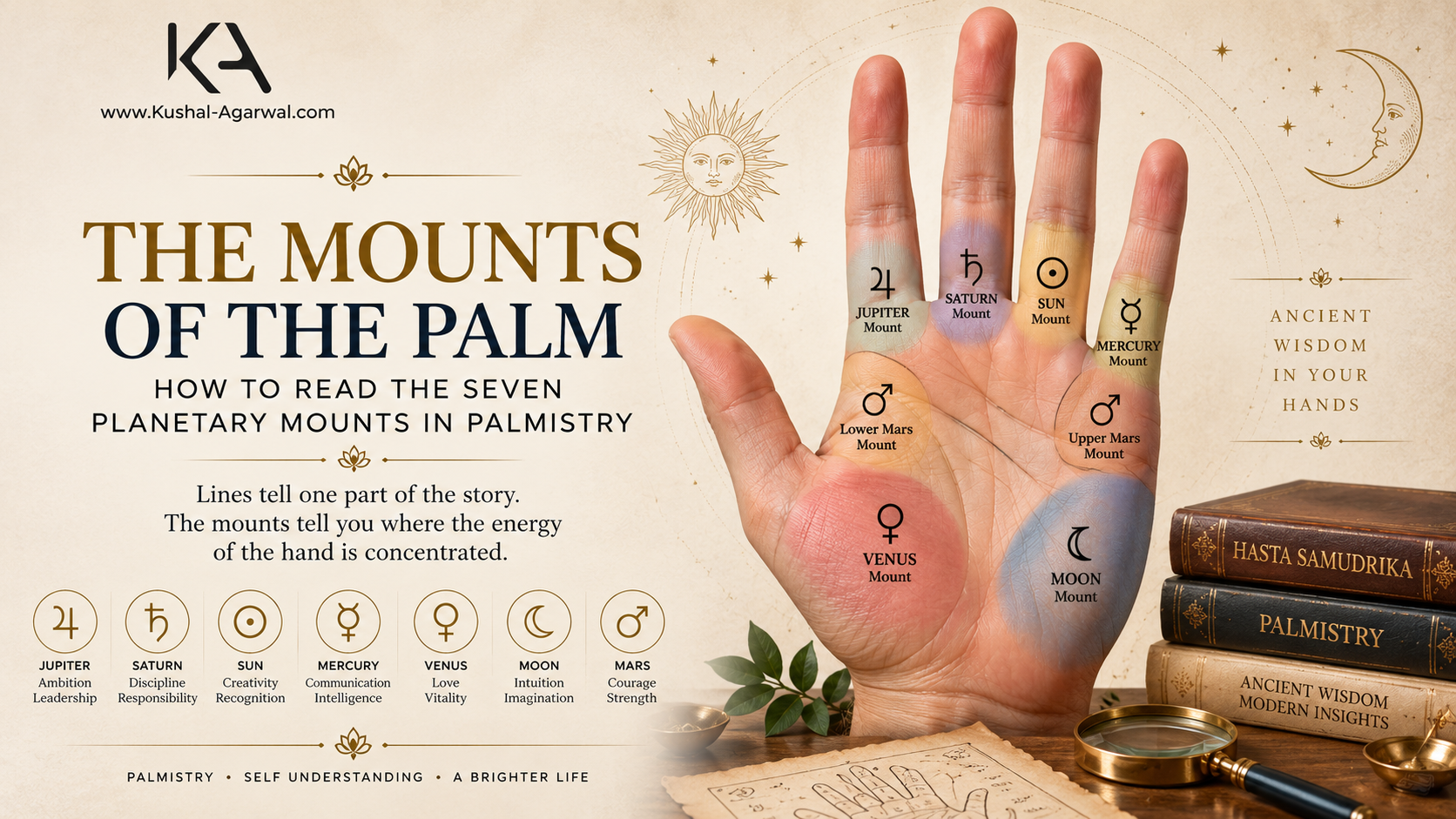
The Mounts of the Palm: How to Read the Seven Planetary Mounts in Palmistry
Lines tell one part of the story. The mounts tell you where the energy of the hand is concentrated. Learn how palmists read the seven planetary mounts and why their size, firmness and markings must be judged together.
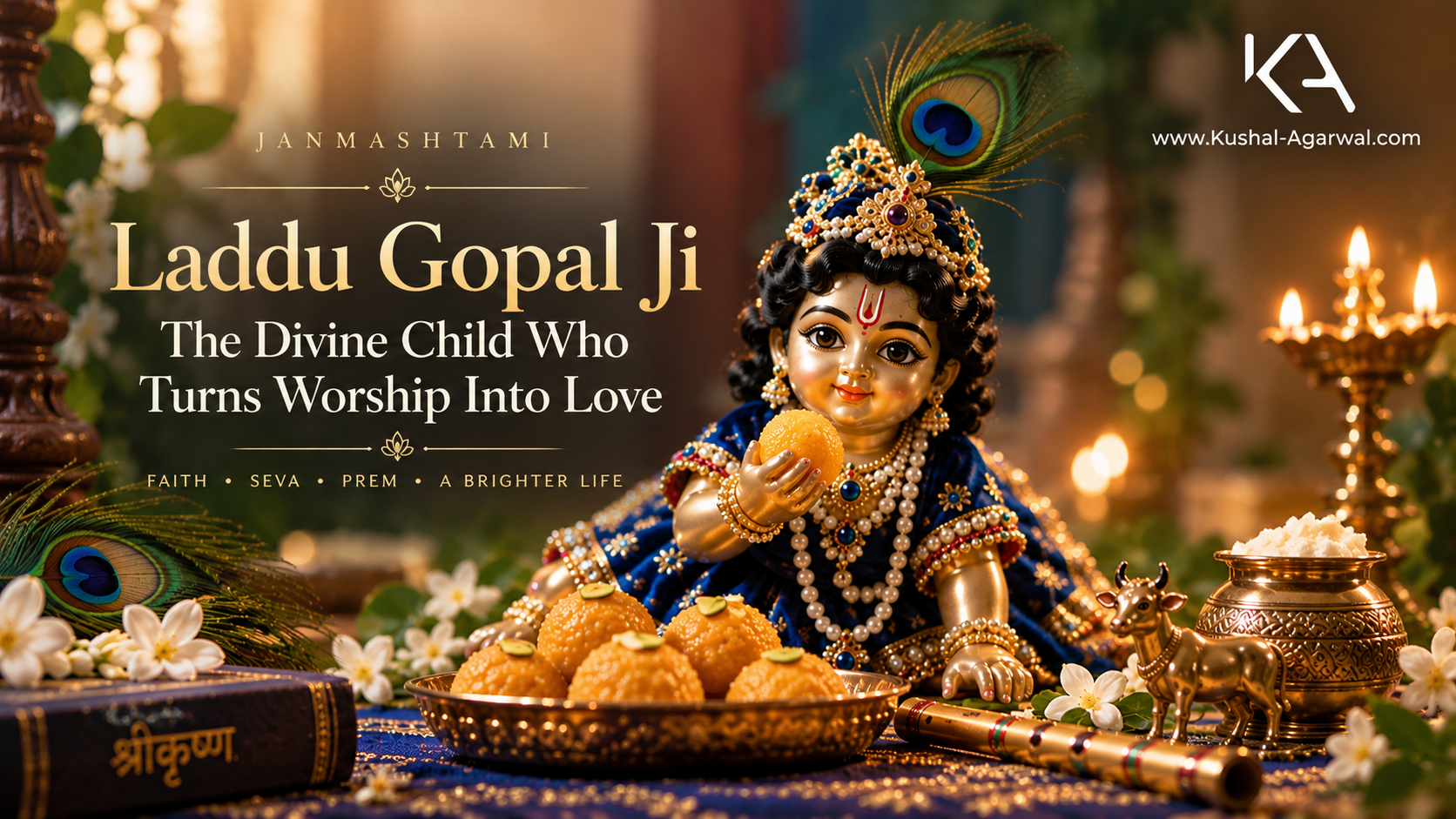
Laddu Gopal Ji: The Divine Child Who Turns Worship Into Love
Laddu Gopal Ji is not worshipped merely as an idol. He is loved as the child of the home. From waking Him in the morning to offering bhog, dressing Him and putting Him to sleep, every act of seva becomes an expression of प्रेम and bhakti.
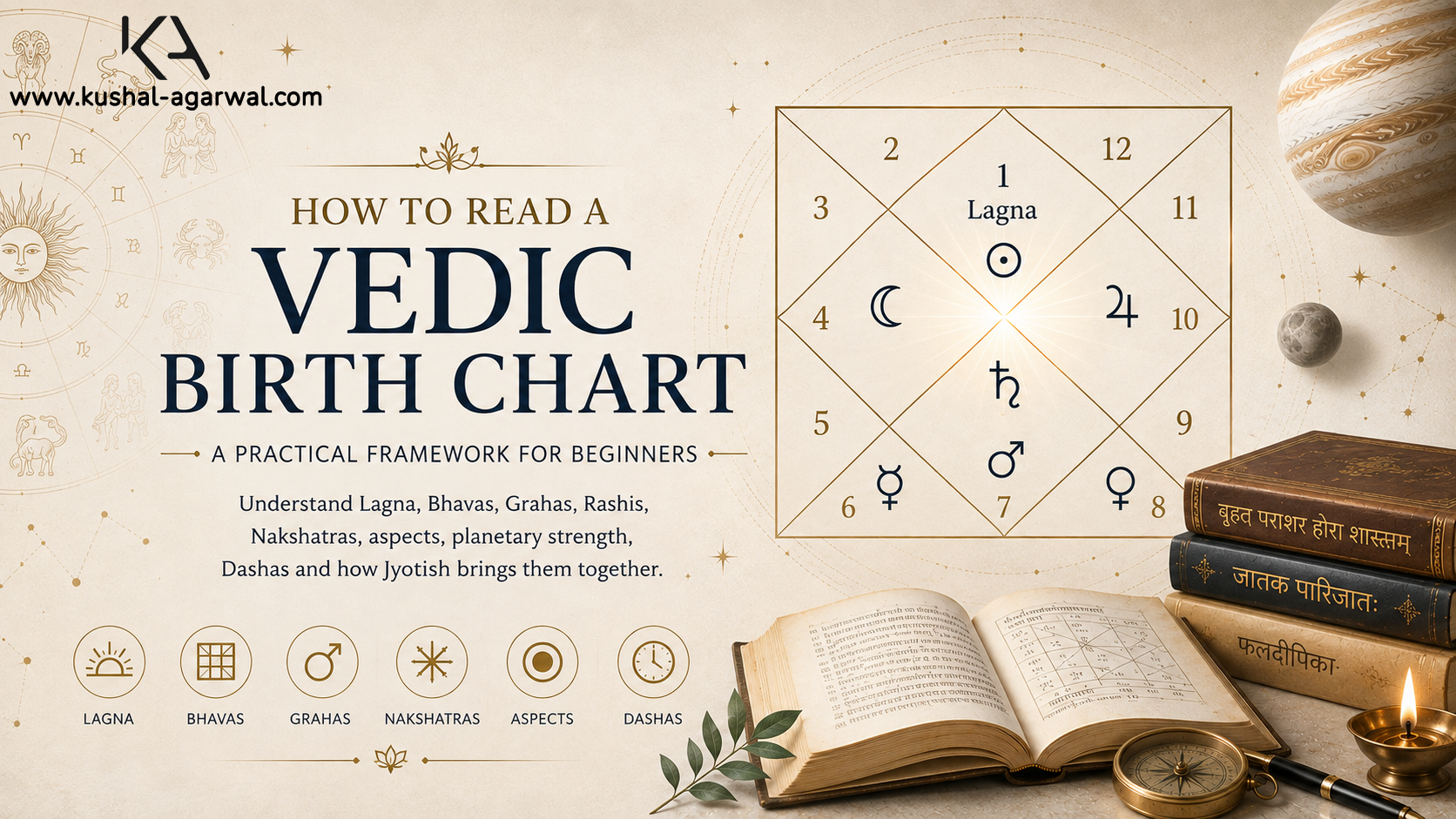
How to Read a Vedic Birth Chart: A Practical Framework for Beginners
A Vedic birth chart can look complicated when you first see it. Twelve houses, nine Grahas, twelve Rashis, Nakshatras, aspects and Dashas can quickly become overwhelming. But a horoscope is easier to understand when you read it as a connected system rather than a collection of isolated rules.